

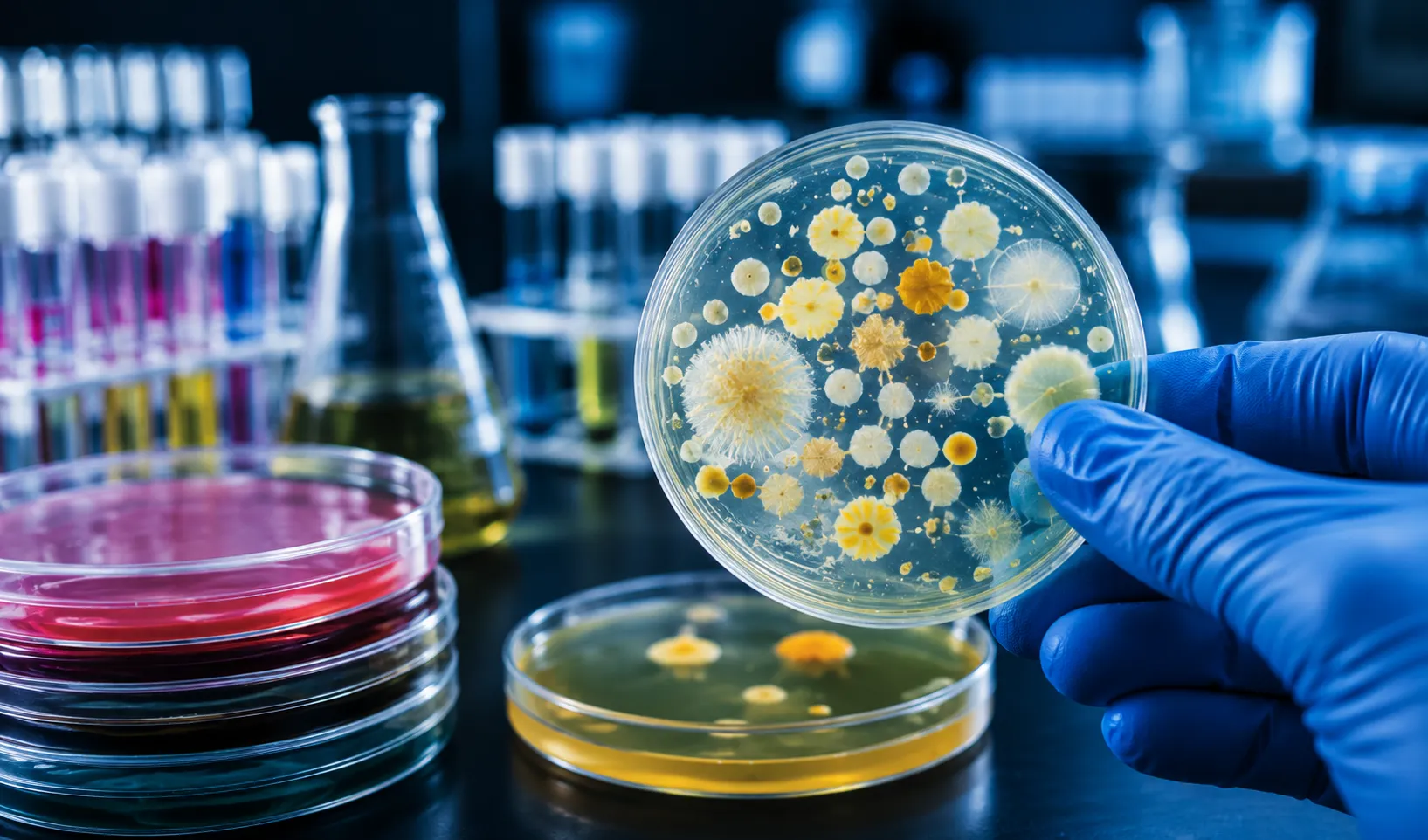
Introduction to Microbiological Testing in Modern Laboratories
Microbiological testing plays a critical role in ensuring product safety, quality, and regulatory compliance across various industries, including pharmaceuticals, food production, healthcare, and environmental monitoring. Modern laboratories rely on advanced microbiological techniques to identify, detect, and quantify microorganisms that may affect product integrity or human health.
The primary objective of microbiological testing is to detect the presence of bacteria, fungi, yeasts, and other microorganisms. These tests help laboratories evaluate contamination risks, validate sterilization processes, and maintain quality standards.
Common microbiological testing methods include culture-based techniques, microbial identification, environmental monitoring, and rapid microbiological methods. Laboratories use specialized culture media, incubators, and analytical instruments to obtain accurate and reliable results.
Quality control is an essential component of microbiological testing. Proper sample handling, validated testing procedures, and qualified laboratory personnel contribute to maintaining consistent and reproducible outcomes.
As scientific technologies continue to evolve, microbiological testing remains a fundamental tool for supporting research, quality assurance, and regulatory compliance in modern laboratories.
Keywords: Microbiology, Laboratory Testing, Quality Control, Culture Media, Microbiological Analysis.


No comment